
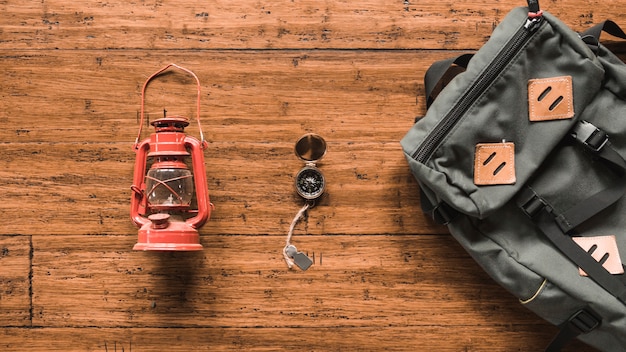
Are you ready to tackle the great outdoors but unsure what travel gear for hiking you absolutely can’t leave behind? From the essential gear that keeps you comfortable to the lightweight items that prevent you from feeling weighed down, choosing the right supplies is crucial for a successful adventure.
But with so many options available, it can be overwhelming.
In this guide, we’ll break down the must-have hiking essentials tailored to your personal preferences and expected weather conditions, ensuring you’re fully prepared to embrace nature’s beauty without hesitation.
Travel Gear for Hiking: Essential Considerations
When selecting travel gear for hiking, prioritize personal comfort and specific needs over popular or highly-rated items.
Consider the following factors:
-
Personal Comfort: Your gear should fit well and suit your hiking style. Pay attention to items like backpacks, footwear, and sleeping bags that directly affect your comfort on the trail.
-
Weather Conditions: Assess the expected weather for your trip. Bring warmer sleeping bags and extra layers for cooler months, while opting for lighter gear in the summer.
-
Cost vs. Weight vs. Comfort: Find a balance between these three elements. High-quality lightweight gear for backpacking may have a higher initial cost, but investing in durable options can save you money and discomfort in the long run.
-
Trip Length and Intensity: Evaluate your planned hiking distance and the difficulty of your route. Longer excursions may require more gear, while day hikes demand lightweight essentials.
-
Versatility: Choose multi-use items where possible. For example, a good camping stove can cook meals and boil water, reducing the number of items you carry.
-
Packability and Storage: Consider how your gear packs down. Products that compress into smaller sizes save space and weight.
-
Well-Reviewed Gear: Rely on reliable reviews and research your choices. Prioritize items that have been tested under various conditions.
By assessing these considerations tailored to your specific needs and conditions, you can select the right travel gear for a successful hiking experience.
Travel Gear for Hiking: Best Hiking Backpacks
When selecting the best hiking backpacks, there are several important features to consider, such as weight distribution, hydration compatibility, and overall comfort.
The Osprey Aura LT 65 is a standout option, weighing in at 3 lbs 13 oz. This pack features an anti-gravity suspension system, which effectively transfers weight to the hips. This design is particularly beneficial for those with back issues, providing enhanced comfort during long hikes. The pack offers ample storage capacity, making it suitable for multi-night backpacking trips.
Another excellent choice is the REI Co-op pack, priced at $199 and weighing under 3 lbs. This backpack is designed for versatility and efficiency, featuring a supportive frame and hip belt to distribute weight evenly. It’s also hydration compatible, allowing hikers to easily integrate a reservoir for quick access to water on the trail.
Here’s a comparison of their key features:
| Backpack | Weight | Capacity | Suspension System | Price |
|---|---|---|---|---|
| Osprey Aura LT 65 | 3 lbs 13 oz | 65 liters | Anti-Gravity | $300 |
| REI Co-op Pack | Under 3 lbs | Varies | Supportive Frame | $199 |
Other functional backpacks for hiking might feature additional considerations like built-in pockets for organization, lightweight materials for easy transport, and easy access to gear.
Ultimately, the best hiking backpacks enhance the overall experience by combining comfort, capacity, and weather resistance. Look for packs that fit your specific hiking style, whether you’re tackling multi-day adventures or day hikes.
Travel Gear for Hiking: Durable Footwear Choices
Footwear options for hiking have significantly evolved over the years, transitioning from traditional heavy boots to more versatile and comfortable choices like trail running shoes. Brands like Topo Athletic are at the forefront of this change, offering shoes that prioritize both comfort and durability.
When selecting hiking shoes, a proper fit is paramount. An accurately fitting shoe prevents blisters and discomfort, making your hiking experience far more enjoyable. It’s essential to try on shoes at the end of the day when your feet are slightly swollen to ensure they accommodate this natural fluctuation.
Here are some key footwear choices to consider:
-
High-Performance Hiking Boots: These are designed for rugged terrain and long-distance hikes, providing ankle support and durability against harsh conditions. Look for features such as waterproof materials and thick rubber soles for traction.
-
Lightweight Trail Running Shoes: Ideal for those who prefer speed and agility on the trail, these shoes offer a snug fit and better breathability. The cushioning provides comfort while maintaining a lower weight, suitable for fast-paced hikes.
-
Approach Shoes: Blending features from climbing shoes and hiking boots, approach shoes offer excellent grip and support, making them suitable for reaching technical terrains.
| Type | Key Features |
|---|---|
| High-Performance Hiking Boots | Durable, waterproof, ankle support |
| Lightweight Trail Running Shoes | Breathable, cushioned, low weight |
| Approach Shoes | Grip, support, versatile |
Choosing the right footwear is a critical aspect of your travel gear for hiking, enhancing both comfort and performance on the trail.
Travel Gear for Hiking: Lightweight Camping Options
When it comes to travel gear for hiking, lightweight camping options can significantly enhance your hiking experience by reducing pack weight and ensuring you have functional equipment.
For shelter, the Tarptent Aeon Li is an excellent choice, weighing just 1 lb 7 oz. This ultralight tent features a spacious interior of 30″ wide by 88″ long, allowing ample room for a single hiker with gear. Its design promotes ventilation, which is crucial to reducing condensation during those damp nights.
Another superb option is the Big Agnes Tiger Wall UL 2 tent, weighing 2 lbs 8 oz. Though designed for two, it offers generous space for one hiker plus equipment. The semi-freestanding structure ensures stability while providing excellent ventilation and organized storage with its interior pockets. Both tents prioritize lightweight design without sacrificing necessary comfort.
In terms of cooking gear, the MSR Pocket Rocket stove stands out as an ideal piece of camping gear for hiking. Compact and efficient, this lightweight stove weighs only 3 oz, making it easy to carry. It’s designed primarily for quickly boiling water, making it perfect for preparing meals with freeze-dried options or heating water for beverages. The convenience of this stove complements your lightweight gear, enhancing overall portability.
To sum it up, focusing on these lightweight camping options allows hikers to enjoy efficient packing and solid functionality. The combination of a high-quality tent like the Tarptent Aeon Li or the Big Agnes Tiger Wall UL 2 paired with a reliable cooking solution like the MSR Pocket Rocket ensures a successful and enjoyable hiking experience. With lightweight gear for families in mind, these selections help make outdoor adventures easier and more accessible.
Travel Gear for Hiking: Hydration and Safety Gear
Hydration is critical when hiking. The trend has shifted from bulky reservoirs to lightweight bottles like the 16 oz Nalgene, which provides easy access to water. Additionally, hydration packs offer a hands-free solution, perfect for long treks, allowing you to stay hydrated without breaking stride.
It’s essential to carry enough water to last during your hike, especially in warmer conditions. Aim to drink about half a liter per hour under moderate activity.
Equally important is safety gear. A well-packed first aid kit for hiking should include:
- Adhesive bandages and gauze
- Antiseptic wipes
- Pain relievers (e.g., ibuprofen)
- Tweezers for splinters
- Water purification tablets
- Allergy medication (if needed)
This kit enables you to address minor injuries and health issues promptly, helping to minimize the impact of any mishaps.
Emergency gear for hiking is crucial for preparedness. Essential items include a lightweight emergency blanket, a whistle for signaling, a multi-tool for various needs, and a reliable headlamp, ensuring visibility during unexpected situations or after dark.
Water management and effective packing of safety gear contribute to a successful hiking experience. Being equipped with the right hydration options and emergency supplies allows for a safer adventure, enabling hikers to remain focused on enjoying the outdoors.
Travel Gear for Hiking: Essential Electronics and Accessories
When venturing into the wilderness, having the right technology can significantly enhance your safety and enjoyment.
The Garmin InReach is a vital gadget for navigation and SOS communication. Its satellite connectivity allows you to send messages even in remote areas, ensuring you can call for help if necessary. This device is an essential investment for serious hikers, offering peace of mind in the backcountry.
Rechargeable headlamps are another must-have for hiking. Unlike traditional flashlights, they provide hands-free illumination, making it easier to navigate campsites or trails in low-light conditions. Look for options with adjustable brightness settings to conserve battery life while ensuring adequate visibility.
Staying powered during long hikes is crucial, and portable phone chargers for hiking can help keep your devices charged. Lightweight and compact options are ideal, allowing you to recharge your GPS or smartphone on the go.
Here are some essential electronics and accessories for hikers:
-
Garmin InReach – for communication and navigation
-
Rechargeable Headlamps – for hands-free visibility
-
Portable Phone Chargers – to maintain power on extended trips
-
Power Banks – for emergency device charging
-
Solar Chargers – for eco-friendly power on multi-day outings
Considering these electronics will equip you for a successful and safe hiking experience.
Travel Gear for Hiking: First Aid and Hygiene Essentials
Prioritizing first aid and personal hygiene is crucial for a safe hiking experience.
A well-equipped first aid kit for hiking should include:
- Adhesive bandages for minor cuts and blisters
- Sterile gauze pads and adhesive tape for larger wounds
- Antiseptic wipes to clean injuries
- Tweezers for removing splinters
- Pain relievers like ibuprofen or acetaminophen
- Any personal medications, including allergy medications
- A small emergency blanket for warmth in case of hypothermia
For efficient gear storage, use a waterproof bag to keep the kit dry and easily accessible.
In addition, maintaining personal hygiene in the backcountry is vital for comfort and health. Here are strategies to consider:
- Use a portable bidet for thorough cleaning after using the bathroom.
- Pack biodegradable soap for dish washing and personal cleansing.
- Moist towelettes can be a quick way to freshen up without needing water.
- Hand sanitizer is essential for maintaining cleanliness after cooking or cleaning up.
Insect repellent is also an indispensable item for hikers. It prevents bites that may lead to discomfort or carry diseases. Look for a repellent that contains DEET or picaridin, ensuring it’s effective and long-lasting. Picaridin is often favored for being less oily, making it comfortable for extended use.
Staying prepared with first aid and hygiene essentials enhances safety and well-being on every hike.
Travel gear for hiking is essential for success on the trail.
We’ve explored key items such as sturdy footwear, weather-appropriate clothing, and reliable backpacks, alongside important accessories like hydration systems and first-aid kits.
Each piece of gear contributes to safety, comfort, and overall enjoyment during your adventures.
Investing in quality equipment ensures that you’re prepared for various conditions and challenges, making your hiking experience rewarding and stress-free.
With the right travel gear for hiking, you can embrace the great outdoors with confidence and create unforgettable memories.
FAQ
Q: What factors should I consider when buying hiking gear?
A: Prioritize personal comfort, expected conditions, weight, waterproofing, and durability. Balance cost with quality to find the right gear for your specific needs.
Q: What are essential items for backpacking?
A: A comprehensive list includes a lightweight tent, comfortable sleeping bag, reliable stove, water filtration system, first aid kit, and weather-appropriate clothing for comfort and safety.
Q: What type of backpack is recommended for multi-night trips?
A: The REI Co-op pack under 3 pounds is lightweight and supportive, costing $199. It features a water-repellent fabric, ideal for multi-night backpacking.
Q: How do I choose the right sleeping bag?
A: Consider warmth, weight, and features like draft prevention. Brands like Therm-a-Rest offer excellent options starting at $260 for comfort on trips.
Q: What footwear is best for hiking?
A: Trail running shoes, such as Topo Athletic Pursuit sneakers, are favored for comfort and durability over traditional heavy boots.
Q: How do I filter water while hiking?
A: Lightweight water filters like the HydroBlu Versa Flow or Sawyer Squeeze are effective and portable choices, ensuring safe hydration on the trail.
Q: What’s a good cooking option for backpacking?
A: The MSR Pocket Rocket stove is compact at $50, perfect for quickly boiling water. Consider pairing it with a reliable pot like the Toaks 550.
Q: What items make up an essential first aid kit for hiking?
A: A lightweight first aid kit, costing around $34, should include bandages, antiseptics, and necessary medications tailored for outdoor conditions.
Q: How can I improve comfort while resting during hikes?
A: Use lightweight options like the Helinox Chair Zero (16 oz) for seating, or the Therm-a-Rest Z Seat Pad (2 oz) for insulation and protection.
Q: How do I pack for long-distance hikes effectively?
A: Seek lightweight, versatile gear. Use packing cubes for organization and ensure easy access to essentials like food, water, and tools during your trek.

