
Are you ready to step into the untamed beauty of the UK?
From the rugged coastlines of Scotland to the lush valleys of Wales, the UK’s diverse wildlife destinations offer unforgettable encounters that will leave you breathless.
Whether you’re spotting puffins on a cliff edge or tracking wild boar through ancient woodlands, these parks and reserves not only boast stunning landscapes but play a crucial role in wildlife conservation.
Join us as we explore the best spots for wildlife-watching, seasonal experiences, and the significance of preserving these natural treasures for generations to come.
UK Wildlife Destinations Overview
The UK boasts an impressive range of wildlife destinations, showcasing its diverse landscapes and rich biodiversity. National parks and nature reserves across the country serve as vital locations for wildlife watching in the UK, providing unique opportunities to observe iconic species in their natural habitats.
Notable destinations include:
-
Scottish Highlands: Known for its rugged beauty, this area is home to roaming red deer and various bird species like the golden eagle.
-
New Forest: Famous for its free-roaming wild ponies, the New Forest also features diverse ecosystems inhabited by deer and hundreds of plant species.
-
Norfolk Broads: A haven for aquatic wildlife, this network of waterways draws bird watchers eager to spot herons, otters, and marsh harriers.
-
Farne Islands: Renowned for its puffin colonies, these islands offer remarkable opportunities to see seabirds during breeding season.
-
Cornwall: The coastal waters host basking sharks and various marine wildlife, while the coastline provides excellent opportunities for seal watching.
-
Cairngorms National Park: This habitat supports reintroduced species like beavers and is prime territory for observing black grouse and other upland birds.
-
Isle of Skye: With its stunning scenery, it’s great for watching marine life such as dolphins and whales, as well as birdlife.
Seasonal guides are invaluable for visitors seeking the best times for wildlife encounters, highlighting species such as wild boar during spring and salmon on their upstream migrations in autumn.
These destinations underscore the importance of conservation efforts, ensuring that both residents and visitors can continue to enjoy the UK’s incredible wildlife for generations to come.
Top Wildlife-Watching Destinations in the UK
The UK boasts numerous top wildlife-watching destinations, each offering unique natural experiences and rich biodiversity.
Cardiff ranks highly, scoring 9.11 out of 10. This vibrant city is well-known for its diverse flora and fauna, including the Western European hedgehog, which is frequently spotted. Cardiff features abundant green spaces like Bute Park and Roath Park, allowing visitors to immerse themselves in nature right within the city.
Watford stands out with an impressive score of 9.29, recognized for its rich nature areas. The abundance of parks, such as Oxhey Woods, promotes wildlife watching, with various species like foxes and numerous wildflowers thriving in spring. The nature-rich environment within a small radius offers an ideal escape for both locals and tourists.
Aberdeen is a significant hub for wildlife enthusiasts. Its landscape hosts a multitude of parks, supporting a variety of habitats. With six species of amphibians and 415 bird species documented within a 10-kilometre radius, Aberdeen showcases the diversity of wildlife in an urban setting. The city’s commitment to conservation is evident in its efforts to maintain green areas which support thriving ecosystems.
These three cities exemplify the best nature reserves in the UK, serving as prime destinations in Wales, Scotland, and England. Each location not only highlights unique wildlife experiences but also emphasizes the importance of conservation efforts in maintaining these natural havens.
Ensuring the protection of such areas lets visitors enjoy the rich biodiversity while contributing to future preservation initiatives. Exploring these wildlife-watching hotspots promises memorable encounters with nature and a deeper appreciation for Britain’s vibrant ecosystems.
Seasonal Wildlife Experiences in the UK
The UK offers a range of seasonal wildlife experiences, allowing visitors to engage with iconic British wildlife throughout the year.
Spring (March – May)
-
Ospreys: Arrive from Africa, nesting in locations like Loch Garten in Scotland. Perfect for wildlife photography.
-
Otters: More active during longer days. They can be spotted in rivers and lakes, particularly in Scotland and Wales.
Summer (June – August)
-
Puffins: Best seen on coastal islands such as Skomer and the Farne Islands, where they nest from April to August.
-
Starling Murmurations: Witness spectacular displays at sites like Ham Wall Nature Reserve from late summer into autumn.
Autumn (September – November)
-
Salmon: Famous for their upstream leaps, particularly in the Wye Valley around October. An excellent chance for dynamic wildlife photography.
-
Migrating Birds: Look for migratory species as they return to warmer climates, showcasing the UK as a stopover.
Winter (December – February)
-
Short-eared Owls: Best observed during the colder months in open fields across North England and Scotland.
-
Seals: Winter is ideal for viewing grey seals along the coast of Norfolk and Scotland, especially during pupping season.
The Wildlife Trusts provide seasonal guides to help you maximize these wildlife watching opportunities. Engaging in outdoor activities, while capturing stunning wildlife photographs, enhances the experience of the best times for wildlife watching in the UK. Whether you’re trekking through nature reserves or visiting coastal areas, each season brings its own unique interactions with wildlife.
Conservation Areas and Their Significance
Conservation areas in the UK play a pivotal role in the protection of endangered species and the preservation of biodiversity. These designated spaces, including Special Areas of Conservation and Sites of Special Scientific Interest, safeguard vital habitats that are increasingly threatened by urban expansion and population pressures.
These areas serve as crucial havens for various wildlife, offering refuge to species that rely on specific ecological conditions to thrive. For instance, wetlands host numerous migratory birds, while ancient woodlands provide shelter for rare flora and fauna. The significance of these conservation areas extends beyond species protection, contributing to overall ecosystem health and resilience.
Habitat preservation in the UK is essential for maintaining natural balance, ensuring that landscapes remain functional and diverse. By supporting various wildlife conservation projects, the UK aims to restore degraded habitats and encourage the reintroduction of species.
Responsible management of these areas not only benefits wildlife but also enhances human well-being. Access to healthy ecosystems promotes outdoor activities and environmental education, fostering a connection between communities and nature. As such, conservation areas represent a commitment to safeguarding the natural heritage of the UK for future generations.
Eco-Friendly and Responsible Wildlife Tourism in the UK
Eco-friendly travel is gaining traction in the UK, creating opportunities for responsible wildlife tourism. Visitors can engage in immersive wildlife experiences that not only satisfy their curiosity but also support local conservation efforts.
Participating in eco-tours organized by local communities is a great way to experience wildlife responsibly. These tours often provide insights into the habitat, behavior, and conservation needs of various species, while fostering a strong connection with nature.
Practices such as minimizing waste, respecting wildlife habitats, and adhering to guidelines are crucial in ensuring that wildlife observation does not disturb animals or their environments.
Here are some ways to engage in responsible wildlife tourism in the UK:
-
Choose eco-certified tour operators that prioritize sustainability.
-
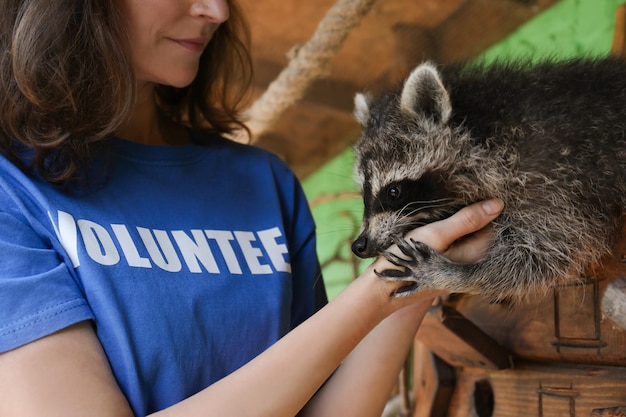
Participate in volunteer projects aimed at wildlife conservation.
-
Educate yourself on local wildlife laws and guidelines to avoid unintentional disturbances.
-
Support businesses that contribute to local conservation efforts while promoting eco-friendly practices.
-
Opt for off-peak seasons to lessen the impact on wildlife and their habitats.
By embracing these practices, visitors can ensure that they contribute positively to the ecosystems they explore while enjoying the UK’s rich wildlife heritage.
UK wildlife destinations offer a unique opportunity to connect with nature and witness diverse animal species in their natural habitats.
From breathtaking coastal cliffs to serene forests, each location provides a distinct experience.
Whether you’re exploring the rugged beauty of national parks or birdwatching along the wetlands, there’s something for every nature enthusiast.
Discovering these areas not only enhances our appreciation for wildlife but also emphasizes the importance of conservation efforts.
Embrace the adventure, respect the environment, and immerse yourself in the beauty of the UK’s wildlife destinations.
FAQ
Q: What are the best destinations in the UK for wildlife watching?
A: Top wildlife-watching destinations include Cardiff, Watford, and Aberdeen. Cardiff features rich green spaces, Watford boasts abundant nature, and Aberdeen exhibits diverse bird species.
Q: When is the best time to observe specific wildlife in the UK?
A: Optimal viewing times vary; for example, puffins are best seen in spring and early summer, while salmon leap upstream in October and November.
Q: What types of wildlife can be spotted in the UK?
A: The UK is home to puffins, wild boar, hares, black grouse, wild ponies, sharks, beavers, dolphins, red squirrels, starlings, seals, short-eared owls, deer, European bison, and red kites.
Q: Where can I see puffins in the UK?
A: Notable puffin viewing locations include the Farne Islands, Skomer Island, and Bempton Cliffs Nature Reserve during their breeding season in spring and early summer.
Q: What wildlife can I expect to see year-round?
A: Year-round wildlife sightings include wild boar, red squirrels, and seals. Wildlife experiences vary widely, offering visitors numerous opportunities across seasons.
Q: What are some top wildlife experiences for each season?
A: Seasonal experiences include witnessing starling murmurations in autumn, salmon leaping in fall, and short-eared owls in winter. Separate guides are available for comprehensive seasonal insights.

